German
Miniera di Monte Narba
The mining site, located near the village of San Vito, was once a major silver and lead mine. Opened in the 19th century, it was considered one of the most productive mines in Italy. The mining village of Monte Narba grew up parallel to the mine and housed workers and their families, as well as a hospital and the Villa Madama, the director's residence. It is known for its elaborate wall paintings. These frescoes were painted by an Austrian officer who was imprisoned here during the First World War and was probably bored.
The mine reached its peak in the late 19th century, but came under pressure as ore deposits dwindled and competition from abroad. Mining in Monte Narba finally ceased completely in the 1930s. Today the village is deserted, with almost all the buildings in ruins.
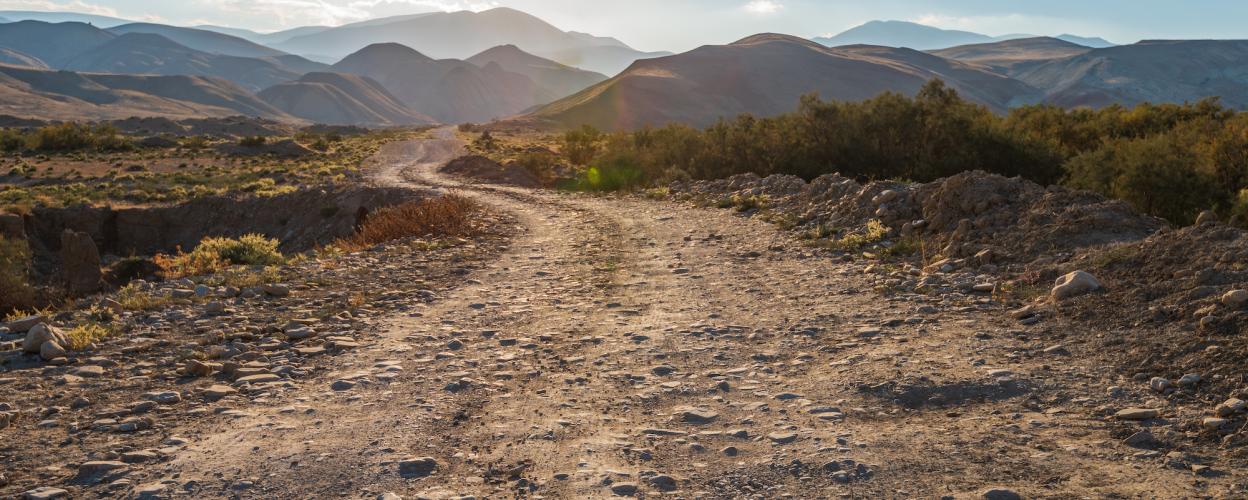
The route leading up to Monte Narba is basically easy to drive as long as the weather is good. Gravel and potholed asphalt alternate. After heavy rainfall, however, off-road drivers will encounter one or two tricky spots in the form of deep holes, rough stones, washouts and gullies. The small ford halfway through the route is particularly difficult. Landslides are also not uncommon. Just before Monte Narba there is a small car park from where you can quickly reach the town on foot. When strolling through the ghost town, a little caution is advised, as a ruin can collapse from time to time.
Latest reports
Conditions, closures and tips — from members who drove here recently.
 Italy